When the Ping River Came to Our Lab
In the first week of October 2024, the Ping River peaked at 5.3 meters at Nawarat Bridge, 1.6 meters above the 3.7-meter overflow threshold. Chiang Mai flooded. Our interim lab took it hard.
50cm of Standing Water
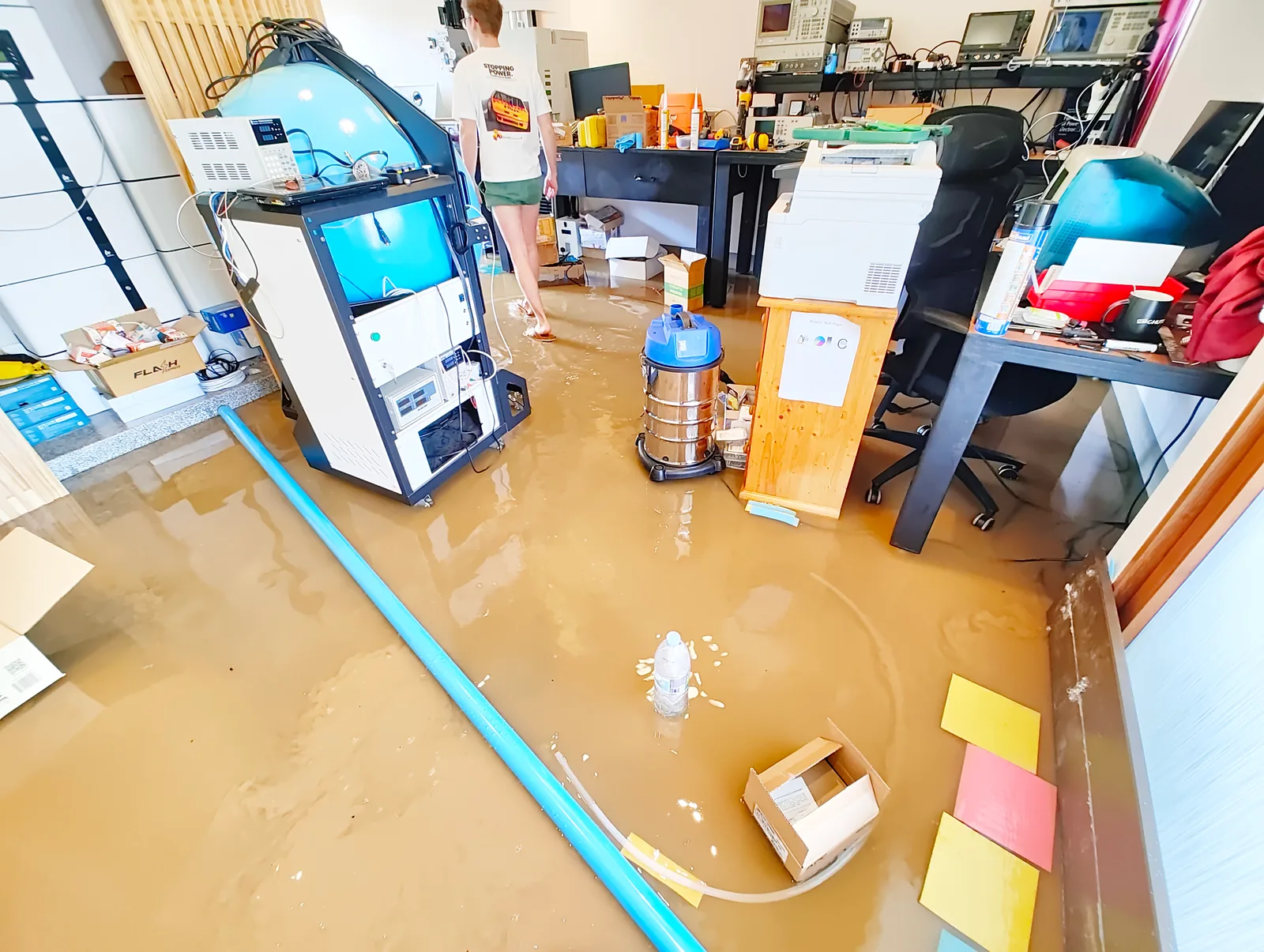
The ground floor of our interim lab was submerged under half a meter of brown river water. You can see the integrating sphere, workbenches, and equipment standing in it. We managed to move most of the critical instruments to higher ground before the water reached its peak, but there’s only so much you can do when it keeps rising.
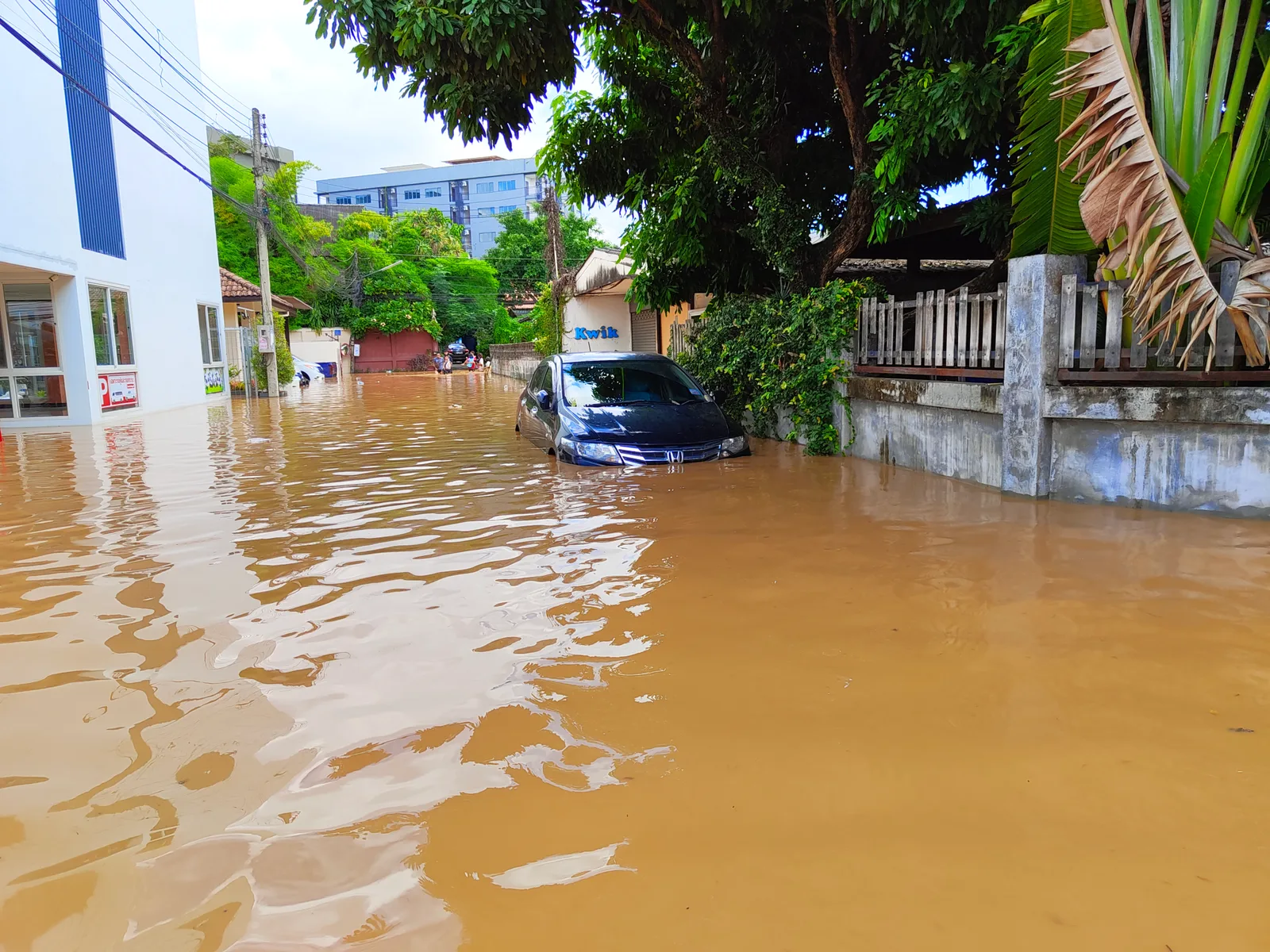
Outside wasn’t any better. The streets around our complex turned into canals. Cars were submerged up to their windows.
Preparing for the Worst
We saw it coming. As the river levels climbed, we anticipated that city water supply would fail. And it did, for about a week in our area. We ordered 8 IBC tanks (1,000 liters each) and had them filled before the water supply cut out.
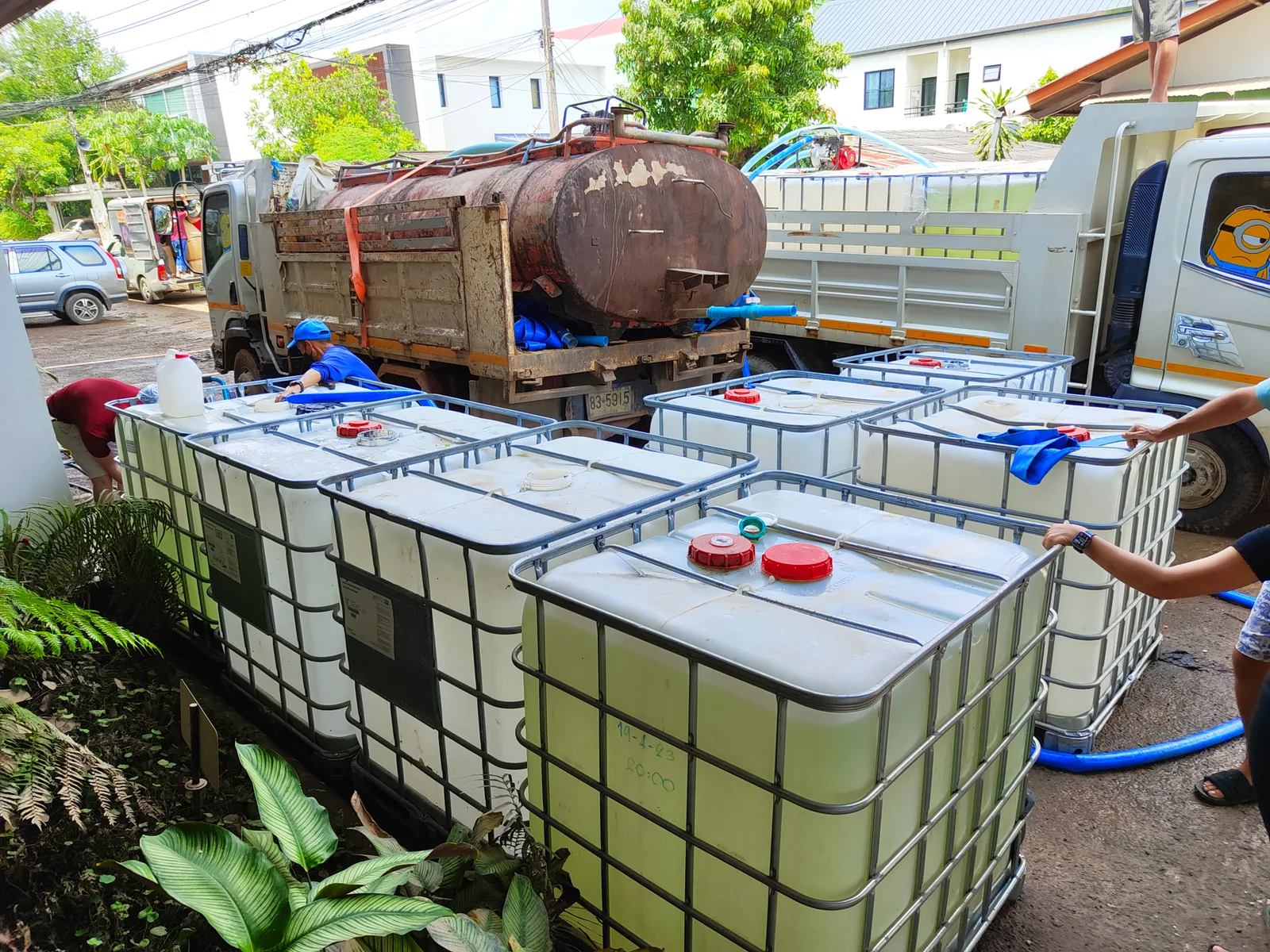
Eight thousand liters of clean water, staged and ready. We used it for cleaning, flushing, and sanitation throughout the flood and its aftermath.
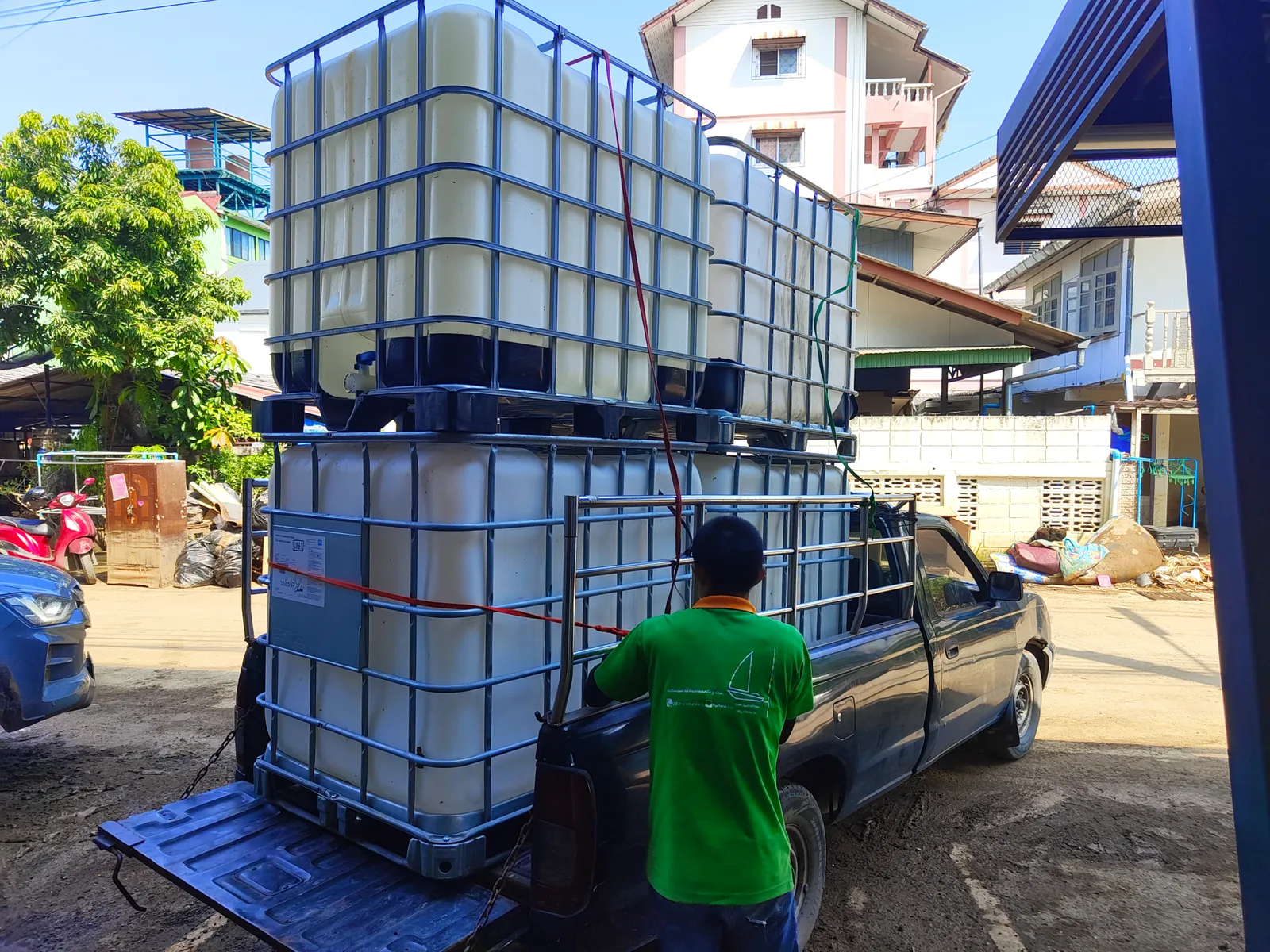
We also supplied our neighbors with water, food, and offered shelter. When something like this hits, you help the people around you first.
The Damage
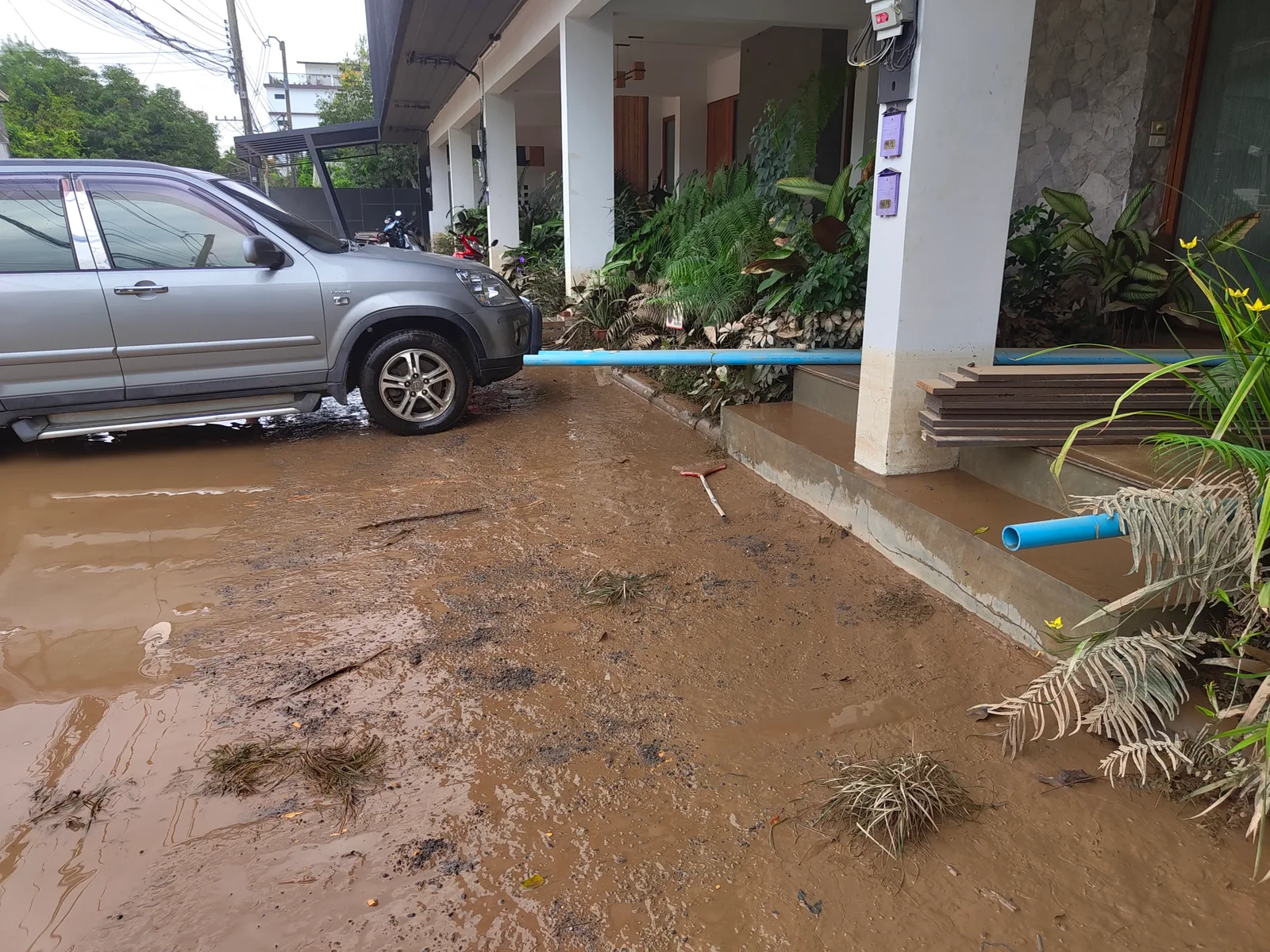
After the water receded, everything on the ground floor was coated in a thick layer of river mud. The cleanup alone took weeks. We lost some small items permanently, but the major lab equipment survived because we’d elevated it in time.
The biggest loss was to the solar energy storage system installed at the complex.
The Battery Problem
The complex has 5 buildings, each with a Storion SMILE-T10 solar inverter/ESS paired with 8x AlphaESS M4856-S battery modules. Ten of those battery modules got submerged.
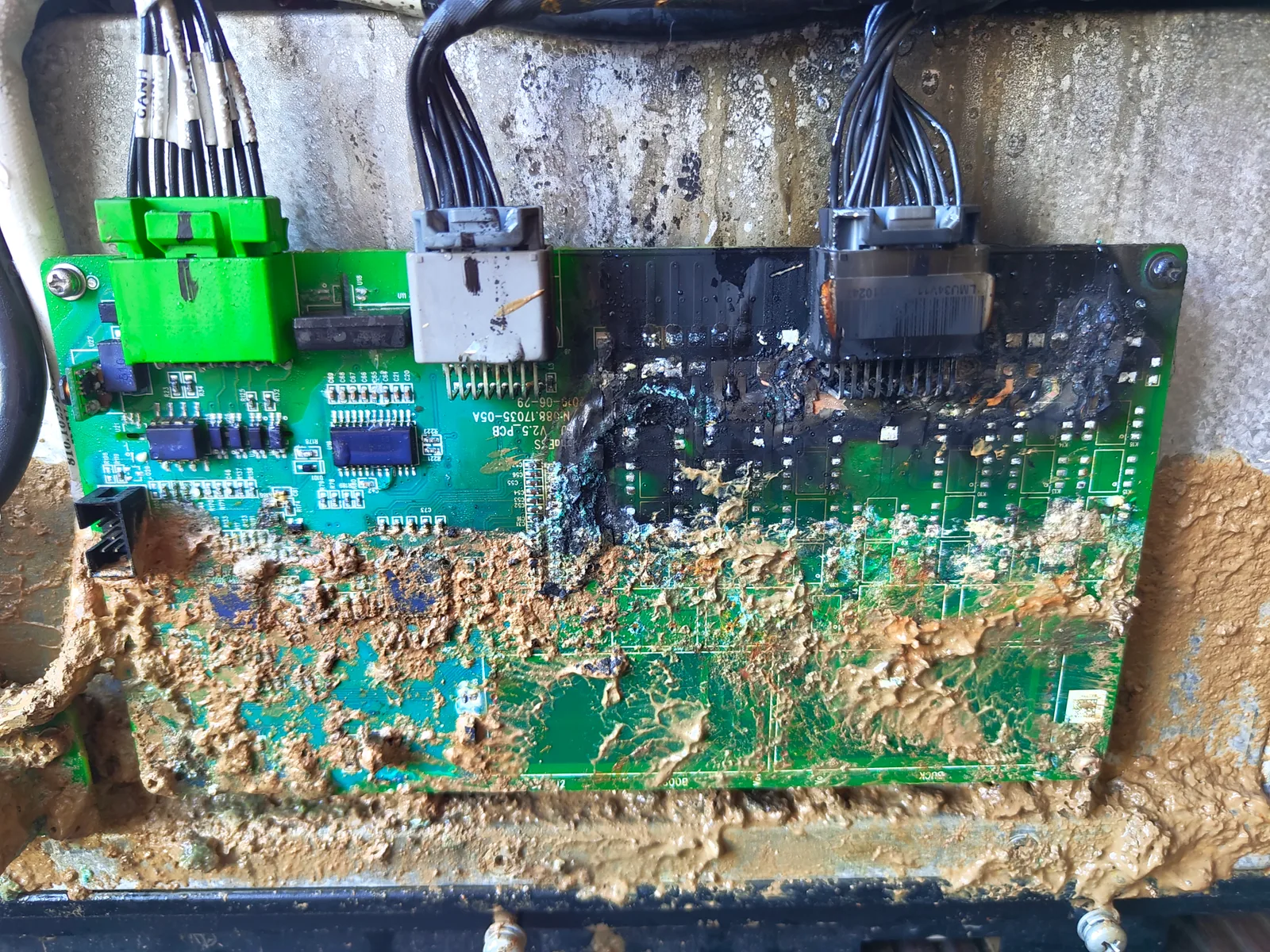
This is what the BMS PCB inside an AlphaESS M4856-S looks like after the flood. The water shorted the board while it was still live; you can see both the corrosion from submersion and the charring from the short circuit. The LFP cells themselves were fine: sealed and waterproof. But the proprietary BMS boards were destroyed, and here’s the problem: no replacement parts available. AlphaESS doesn’t sell replacement BMS boards. The installer can’t source them. The model is effectively discontinued for parts.
So there were 10 battery modules (each containing perfectly good LFP cells) that were now expensive paperweights because of a corroded PCB that the manufacturer won’t replace.
Why This Matters
This is exactly the kind of vendor lock-in that buildfor.life exists to fight. A closed, proprietary battery system where:
- The BMS is a black box: no schematics, no firmware access
- Replacement parts are unavailable when the vendor decides a model is “end of life”
- The installer is helpless: they can’t repair what they can’t access
- The end consumer is stuck with dead hardware containing perfectly functional cells
We pulled the LFP cells out of the dead AlphaESS housings and rebuilt the battery bank with our own BMS and inverter. The cells work fine. They always did. It was only the proprietary electronics wrapped around them that failed and couldn’t be replaced.
Two Months of Recovery
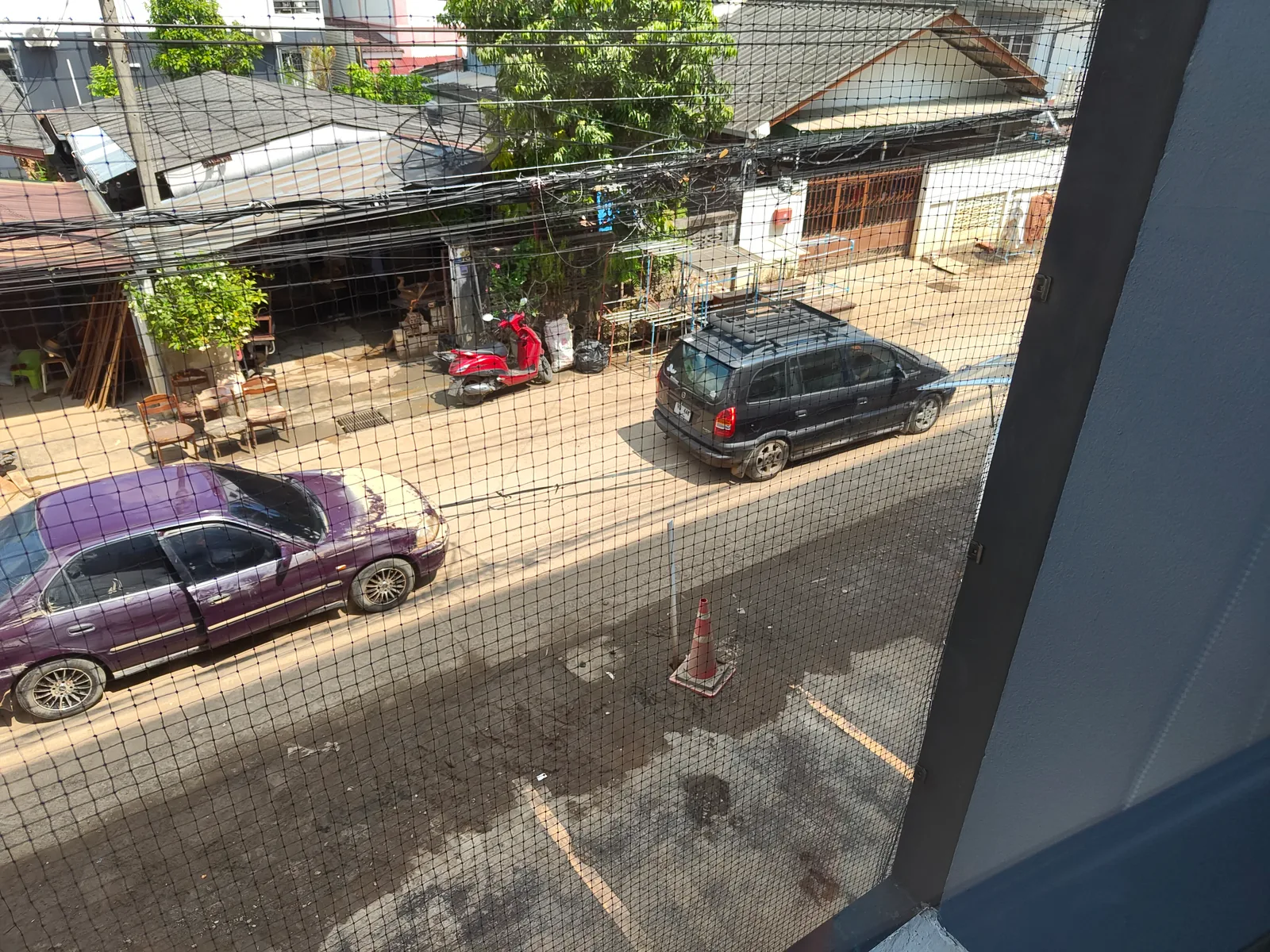
It took a good two months before we could get back to regular R&D work. Between cleaning up the lab, helping fix the surrounding area, and assisting with other flood recovery projects in the neighborhood, December 2024 was the first month things felt normal again.
The Lesson
This experience reinforced everything we’re building toward. When disaster hits, vendor-locked systems become liabilities. You can’t wait for a manufacturer on the other side of the world to decide whether they’ll sell you a replacement PCB. You need systems you can understand, repair, and rebuild yourself.
It’s one more reason we design everything open-source. Our products will never become paperweights because a vendor decided to stop supporting them.